PEP-Wind — Political Preferences and Wind Energy
Business, Management and Services
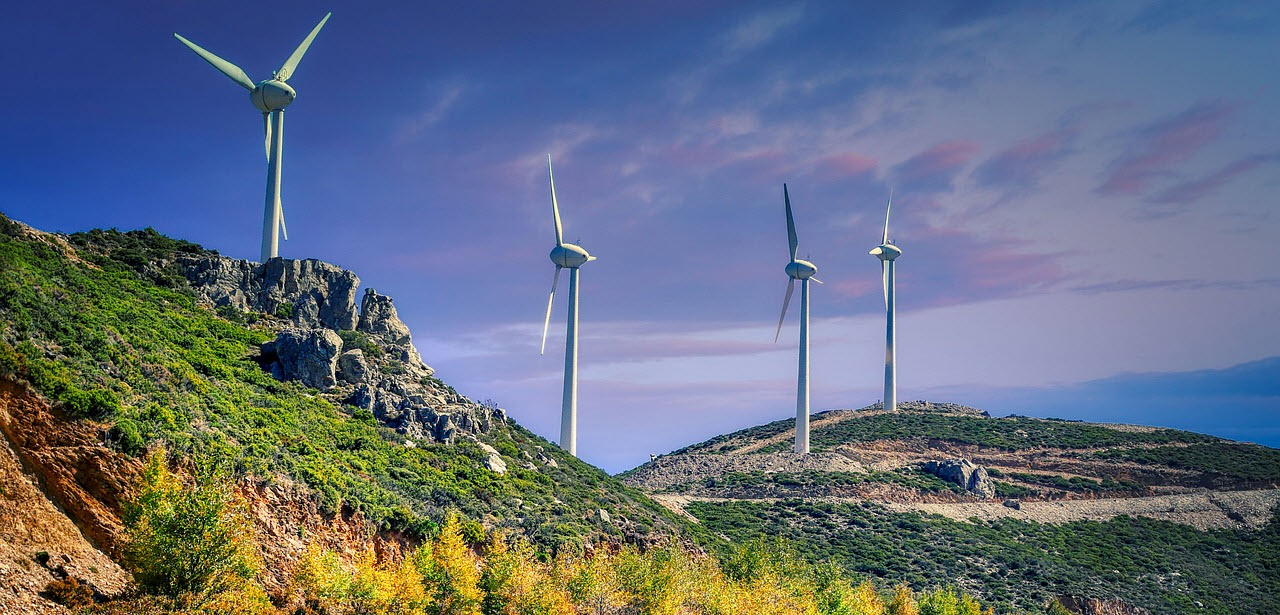
Switzerland’s energy transition depends on the further development of solar and wind power, two complementary energy sources that can help secure the country’s energy supply. Yet wind energy remains largely underdeveloped, particularly because of local opposition and public acceptance issues. In a system where decisions are often put to a popular vote, understanding these dynamics is essential.
The project Political and Economic Preferences Regarding Wind Energy and Its Deployment (PEP-Wind), funded by the Swiss Federal Office of Energy (SFOE), investigates Swiss households’ acceptance of wind energy by combining two key dimensions: economic preferences—willingness to pay, invest or accept compensation—and political behaviour, including voting intentions regarding various policy instruments. In particular, it examines differences between rural populations, which are directly affected by wind energy installations, and urban populations, which benefit from them indirectly.
The approach combines surveys and experiments testing various public-policy scenarios—including taxes, subsidies and local projects—and their impact on decision-making. The project also examines the role of risk perceptions, such as price volatility, energy dependence and reliance on nuclear power, as well as the influence of how messages are framed. Finally, it identifies different population profiles to support more targeted policies and communication strategies. The aim is to propose practical measures to strengthen public acceptance and accelerate the deployment of wind energy in Switzerland.